INTERVIEW: ‘Sacred Planet’ documents faith-based sites in danger of being lost
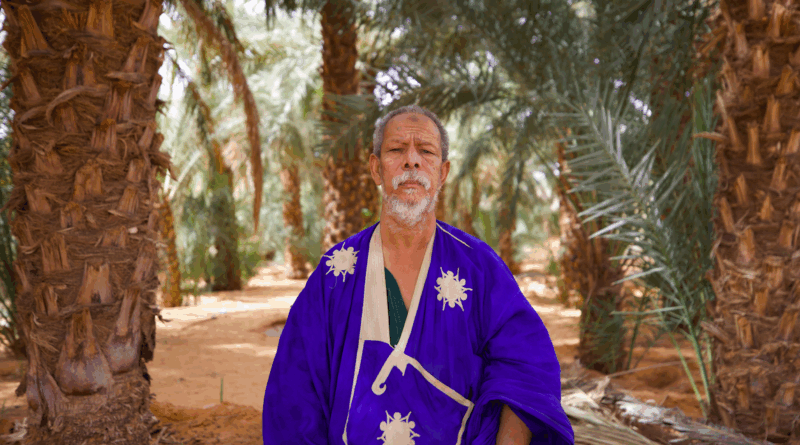
Photo: Seif Islam from Chinguetti, Mauritania, is featured on an episode of Sacred Planet. Photo courtesy of Andre Dahlman © 1904 Media / Provided by PBS with permission.
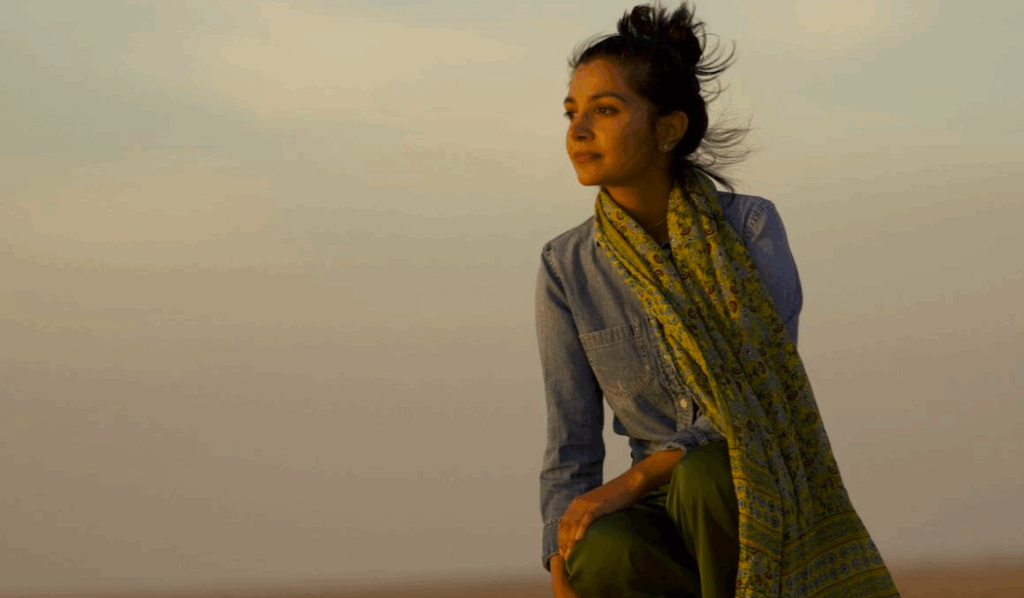
The new PBS series Sacred Planet With Gulnaz Khan continues this week with an all-new episode focused on the perilous future for faith-based sites around the world. Using climate change as a lens for her storytelling, Khan investigates the intricacies of Indigenous cultures and religions, many of them relying on the importance of sacred places that are increasingly facing an uncertain future due to the warming climate.
Episode two, which premieres Wednesday, Sept. 17, at 10 p.m., dives deep into the ever-growing Sahara Desert and how the sands are encroaching upon cities in Africa’s Sahel region. To see how locals are combating the desert’s inch-by-inch path forward, Khan talks to priests, imams and scientists to get a better lay of the land, according to press notes. One scene takes her to Mauritania and the site of ancient libraries that hold Islamic texts. Another scene takes her to Senegal and the work of leaders from multiple religions to augment agricultural practices in light of the changing landscape.
“I’ve been reporting on climate for years,” Khan said in a recent Zoom interview. “I was an editor at National Geographic. I’m climate editor at TED right now, and what I found is that we were getting all these really dire warnings from scientists, right, a lot of data saying that we’re in a moment of crisis and the world needs to step up and take decisive action really quickly. And I wasn’t seeing action that met the scale of the problem, and it was frustrating because I asked myself, ‘Well, why isn’t the data, all these alarming charts and drafts, moving people toward action?’”
When Khan was asking herself this question, she came across a treasure trove of black-and-white photographs from the 1950s. The images depicted a pilgrimage that some practitioners were taking to a cave complex in Kashmir.
“Every summer thousands of pilgrims go on this really harrowing trek up to this cave where they worship a natural ice formation as Shiva Linga, and when I looked at what was happening in the modern day, it turns out over the last decade or two, this ice formation is no longer forming,” she said. “And these communities that hold this very close to their hearts, it’s part of their identities, how they make meaning in life, [it] was disappearing, and it was devastating. And that kind of launched me on this whole path of exploration to look at sacred sites around the world that were disappearing.”
A majority of the world’s population identifies with a faith tradition or religion, so Khan thought it was important to reframe the climate change story in terms of the sacred. Perhaps more people would be interested in the topic if they viewed the problem through the lens of belief.
“Could we leverage the sacred, this feeling of these landscapes that have been important to humanity since time immemorial for hundreds of years, and would that move people more than the data, the science, the charts,” Khan asked herself. “So it’s been an evolution obviously, but that’s how it all started. And it really was this question about the facts, the data. They’re incontrovertible. They’re everywhere, ubiquitous, but we’re still not seeing the type of action that we need. So I think it’s vitally important for people to hear from people on the front lines who are losing these places that are so vital to how they make meaning in the world.”
Other episodes of Sacred Planet focus on a pilgrimage site in the Andes Mountains, the climate records of Shinto priests in Japan’s Lake Suwa and the practices of the Indigenous Arhuaco people in Colombia’s Sierra Nevada de Santa Marta, the world’s highest coastal mountain range, according to an official news release.
“People who are experiencing these impacts really look to their local leaders and what we call trusted messengers to deliver these messages, so, yeah, maybe when you see a big IPCC report [Intergovernmental Panel on Climate Change] in the news that’s saying we’re doomed and this is bad, you probably don’t want to to pay attention to it,” Khan said. “But if you’re a member of a community, and you have a local trusted leader who is talking to you about these impacts, and not only about climate impacts but actually climate solutions, it’s much more empowering.”
The journalist pointed out that the sacred places on planet Earth that are facing the most dire circumstances from climate change are often in the remotest locations. This meant Khan and her team had a challenge to access these communities that were far off the beaten path.
“In some of these places at high altitude where the glaciers are, for example, those are really sensitive climates that are seeing some of the most profound impacts the earliest,” she said. “So these communities have been up close and seeing it for a long time and I think trying to sound the alarm bells, but it’s kind of only now that the world is waking up now that climate impacts are touching literally every corner of the Earth. It’s inescapable, but it was definitely an incredible privilege to film with some of these communities that don’t typically invite a lot of outsiders in. But for them it was really important to get these messages out as well, and I think that’s why we were well-received. But we also spent time building those relationships and really talking about why we felt it mattered.”
By John Soltes / Publisher / John@HollywoodSoapbox.com
Sacred Planet With Gulnaz Khan airs new episodes Wednesdays at 10 p.m. on PBS. Click here for more information.